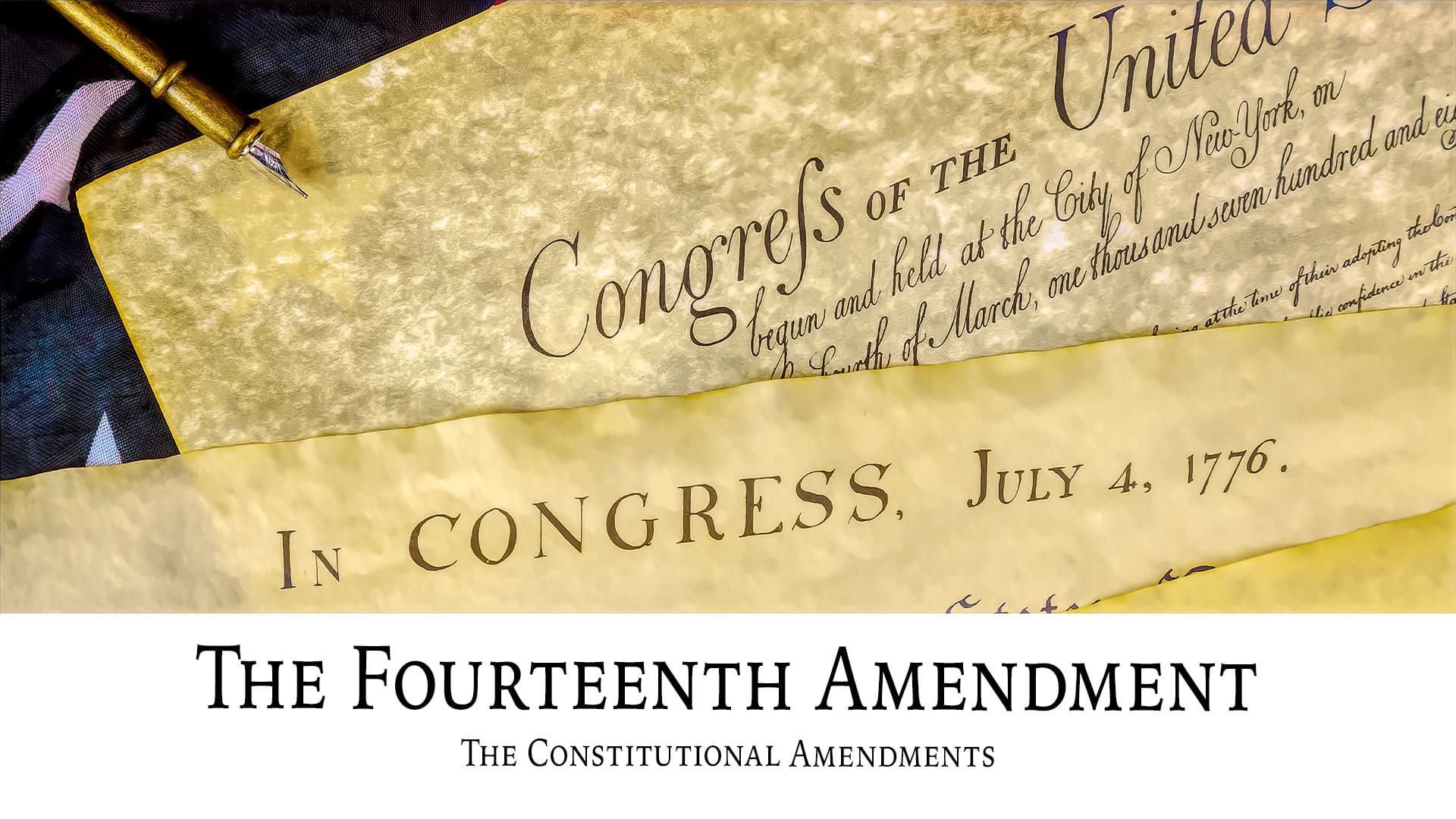
The 14th Amendment
A Pillar of Racial Justice for Black Americans
The 14th Amendment, ratified in 1868 amid the ashes of the Civil War, stands as a monumental achievement in the quest for racial justice, explicitly crafted to uplift Black Americans from the dehumanizing legacy of slavery. As one of the Reconstruction Amendments, it directly addressed the systemic oppression faced by newly emancipated African Americans by granting birthright citizenship to all persons born or naturalized in the United States, thereby overturning the infamous Dred Scott decision that had denied Black people any claim to citizenship or rights.
This citizenship clause was revolutionary, affirming Black humanity and inclusion in the American polity for the first time, countering centuries of legal exclusion and providing a foundation for equal participation in society. Beyond citizenship, the amendment’s due process clause ensures no state can deprive any person of life, liberty, or property without fair legal procedures, while the equal protection clause prohibits states from denying anyone the equal protection of the laws—clauses designed to dismantle discriminatory Black Codes that restricted Black freedom, labor, and mobility in the post-emancipation South.
Far from being colorblind, as some modern interpretations suggest, the 14th Amendment was intentionally race-conscious, supporting programs like the Freedmen’s Bureau to provide aid, education, and land to Black families, and empowering Congress through its enforcement clause to pass “appropriate legislation” to remedy slavery’s enduring harms.
Despite its promise, the amendment’s early implementation faltered due to political backlash and judicial narrowing. After Reconstruction’s collapse, Southern states enacted Jim Crow laws, and the Supreme Court in Plessy v. Ferguson (1896) infamously upheld “separate but equal” segregation, perverting equal protection to entrench inequality. This betrayal allowed disenfranchisement, lynching, and economic exploitation to persist, highlighting how the amendment’s protections required vigilant enforcement.
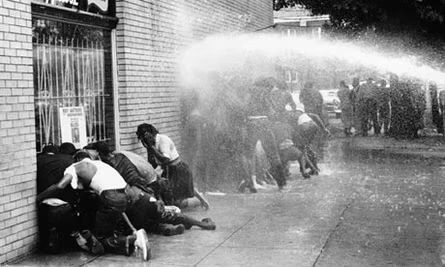
Yet, its resilience shone through in the 20th century, serving as the constitutional bedrock for the Civil Rights Movement. In Brown v. Board of Education (1954), the Court invoked equal protection to strike down school segregation, declaring it inherently unequal and paving the way for desegregation across public life. The amendment also underpinned landmark legislation like the Civil Rights Act of 1964 and Voting Rights Act of 1965, which barred discrimination in employment, housing, and voting, directly advancing racial justice by extending federal oversight to state actions.
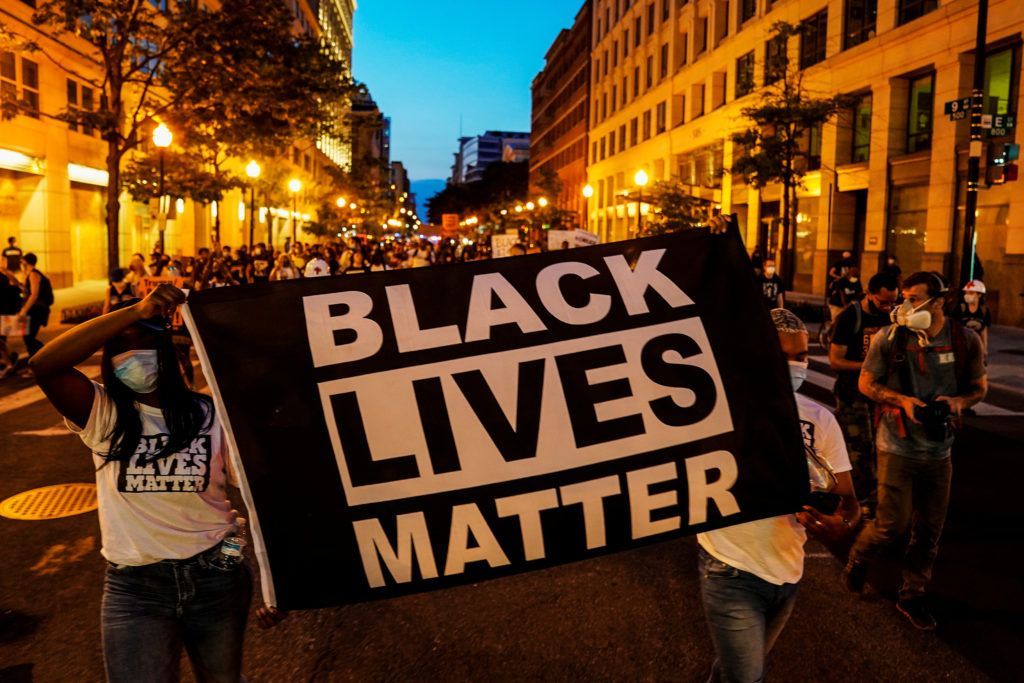
Today, the 14th Amendment continues to provide racial justice for Black Americans by challenging modern disparities. It has been pivotal in cases combating voter suppression, police brutality, and affirmative action, ensuring that equal protection evolves to address systemic racism. For instance, it supports efforts to end felony disenfranchisement, a loophole in the amendment itself that disproportionately affects Black communities, and bolsters protections against discriminatory policies in education and criminal justice. While challenges persist—such as recent conservative reinterpretations to dismantle race-based remedies—the amendment’s original intent as a tool for Black empowerment endures, reminding us that true racial justice demands ongoing advocacy to fulfill its radical vision of equality. In essence, the 14th Amendment transformed Black Americans from legal non-entities to full citizens with enforceable rights, forging a path toward a more equitable society even as the struggle continues.
Journal