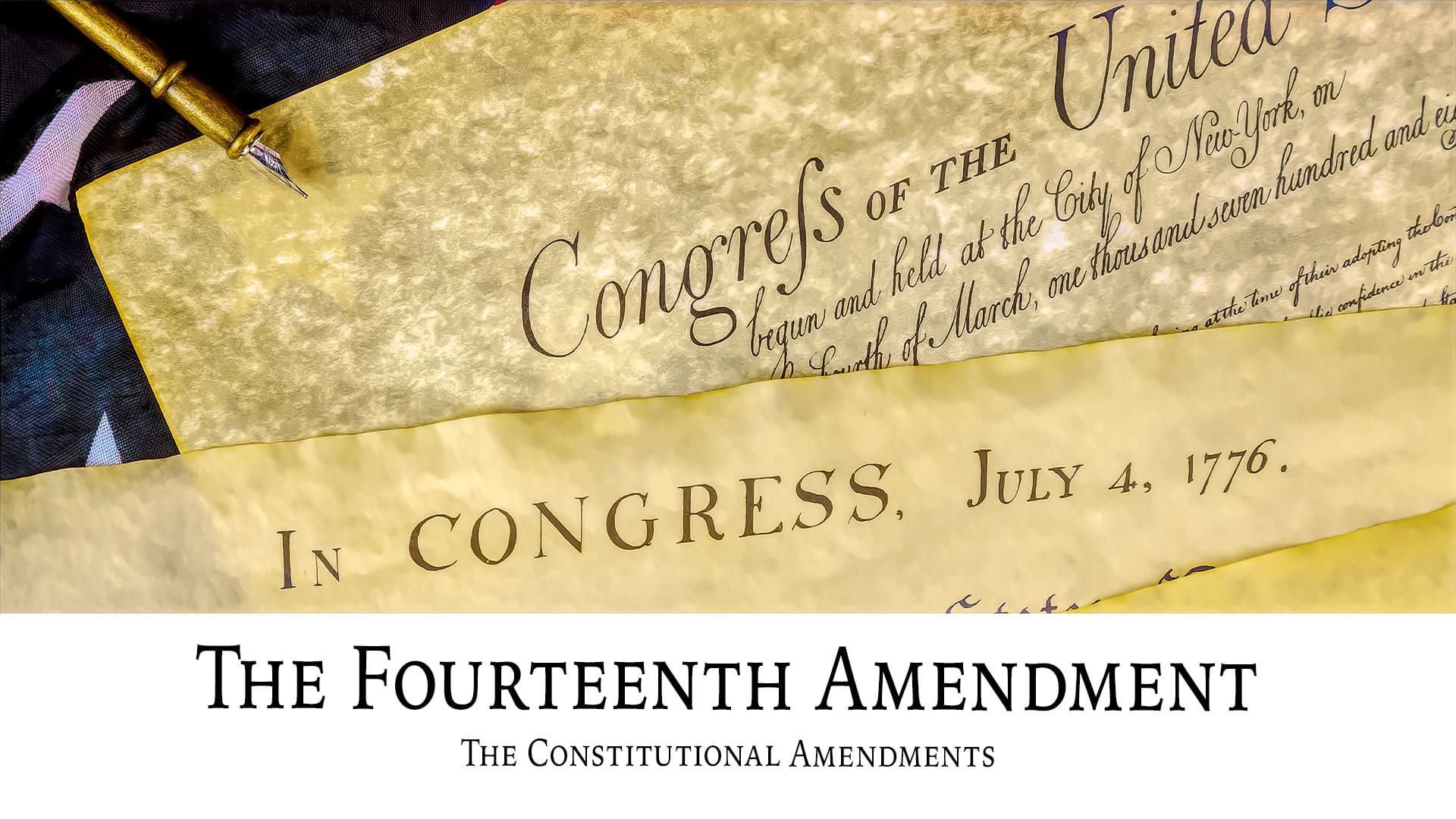
The Inheritance No One Acknowledges
How the Gains of the Civil Rights Movement Became Universal—But the Debt Remains Unpaid
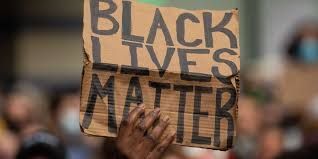
By: Omari Bakari
There is a quiet contradiction embedded in the story of American progress: many who benefit from the Civil Rights Act of 1964 and the 14th Amendment rarely acknowledge that these protections were secured through the specific, targeted struggle of Black Americans. Even more troubling, some of those same beneficiaries resist calls for reparations—despite standing on the very legal foundation that Black resistance, sacrifice, and endurance made possible. This is not simply historical amnesia; it reflects a deeper discomfort with recognizing who paid the cost for the rights now enjoyed by many.
The 14th Amendment and the Civil Rights Act were not abstract commitments to fairness. They were forged in response to the violent realities of anti-Black racism—lynching, segregation, disenfranchisement, and exclusion from economic life. Black Americans did not inherit these protections; they fought for them under conditions that demanded courage at the risk of life itself. Yet over time, these legal victories were expanded and universalized, becoming the scaffolding for a broader conception of rights that extended to women, immigrants, LGBTQ+ individuals, and other marginalized groups.
As journalist Nikole Hannah-Jones has observed:
“The Civil Rights Movement was not just for Black people. It was a movement to create a truer democracy for everyone. Other groups—women, the LGBTQ community, other people of color—have used the very same legal strategies and the very same Fourteenth Amendment protections that Black Americans bled for to secure their own rights, often without acknowledging the debt owed to that original struggle.”
This expansion is, in many ways, a testament to the power of the movement. But it also creates a tension. When rights become universal, the specific historical context that produced them is often diluted. What began as a corrective measure for a uniquely oppressed group is reframed as a general advancement for all, and the original purpose becomes obscured.
Legal scholar Kimberlé Crenshaw captures this dynamic with precision:
“The Civil Rights Act and the 14th Amendment have been universalized to protect all sorts of groups. While that is a victory for human rights, it often obscures the reality that these legal tools were forged in the specific fire of anti-Black subjugation. When we treat all ‘minorities’ as having the same history, we lose sight of the unique debt owed to African Americans.”
This obscuring of history becomes most visible in the debate over reparations. Reparations are not about broad equality; they are about specific harm. They address the measurable economic and structural damage inflicted on Black Americans through slavery, Jim Crow, redlining, exclusion from federal programs, and systematic disinvestment. Yet many who have benefited from civil rights protections approach reparations through a universal lens—arguing that equal laws today are sufficient, or that all groups have faced hardship and therefore no group should receive targeted redress.
This perspective ignores a critical distinction: the expansion of rights is not the same as the repair of harm. While the Civil Rights Movement opened doors for many, it did not restore what had been taken from Black Americans. Wealth lost through generations of exclusion was not returned. Land was not restored. Capital was not replaced. The racial wealth gap remains one of the clearest indicators that legal equality has not translated into economic justice.
The irony is unmistakable. Entire populations have been able to enter the United States, build lives, pursue education, and access opportunity in part because civil rights legislation dismantled explicitly racist barriers. Yet some within those same populations resist the idea that the architects of that transformation—Black Americans—are owed a specific and measurable debt.
Recognizing this inheritance requires more than acknowledgment; it requires alignment. If the principles of equal protection and civil rights are truly valued, then they must be applied consistently—including in addressing the historical injustices that remain unresolved. To benefit from the legacy of the Civil Rights Movement while rejecting the necessity of reparations is to accept the outcome while denying the cost.
The rights secured through the 14th Amendment and the Civil Rights Act belong to all. But the struggle that made them possible was not shared equally. And until that truth is fully confronted, the debt at the center of American democracy will remain unpaid.
Keywords
Civil Rights Act 1964, 14th Amendment, equal protection clause, reparations for Black Americans, racial justice, historical injustice, systemic inequality, racial wealth gap, Black history, social justice policy, American civil rights movement, legal equality vs economic equity, generational wealth, structural racism, descendants of slavery, public policy and race, equity vs equality, civil rights legacy, justice reform, economic justice
Hashtags
#ReparationsNow, #CivilRightsLegacy, #14thAmendment, #BlackHistory, #RacialJustice, #EconomicJustice, #WealthGap, #SystemicInequality, #EquityMatters, #JusticeForBlackAmericans, #ADOS, #DescendantsOfSlavery, #PolicyAndJustice, #SocialJustice, #KnowYourHistory, #AmericanHistory, #UnfinishedBusiness, #CivilRightsMovement, #TruthAndJustice, #BlackWealth
Journal