Empowering Black History Month
Why the 14th Amendment Provides Strong Grounds for Reparations Advocacy
As we observe Black History Month in February 2026, Black Americans have a powerful opportunity to reclaim and advance the fight for reparations by grounding our demands in the 14th Amendment—and by channeling the enduring urgency of Dr. Martin Luther King Jr.‘s iconic metaphor from his 1963 “I Have a Dream” speech. In that address at the Lincoln Memorial, King declared that America had defaulted on its “promissory note” to Black people, the promise embedded in the nation’s founding documents of life, liberty, and the pursuit of happiness. “Instead of honoring this sacred obligation,” he said, “America has given the Negro people a bad check, a check which has come back marked ‘insufficient funds.’” Yet he insisted, “We refuse to believe that the bank of justice is bankrupt. We refuse to believe that there are insufficient funds in the great vaults of opportunity of this nation. And so we’ve come to cash this check—a check that will give us upon demand the riches of freedom and the security of justice.”
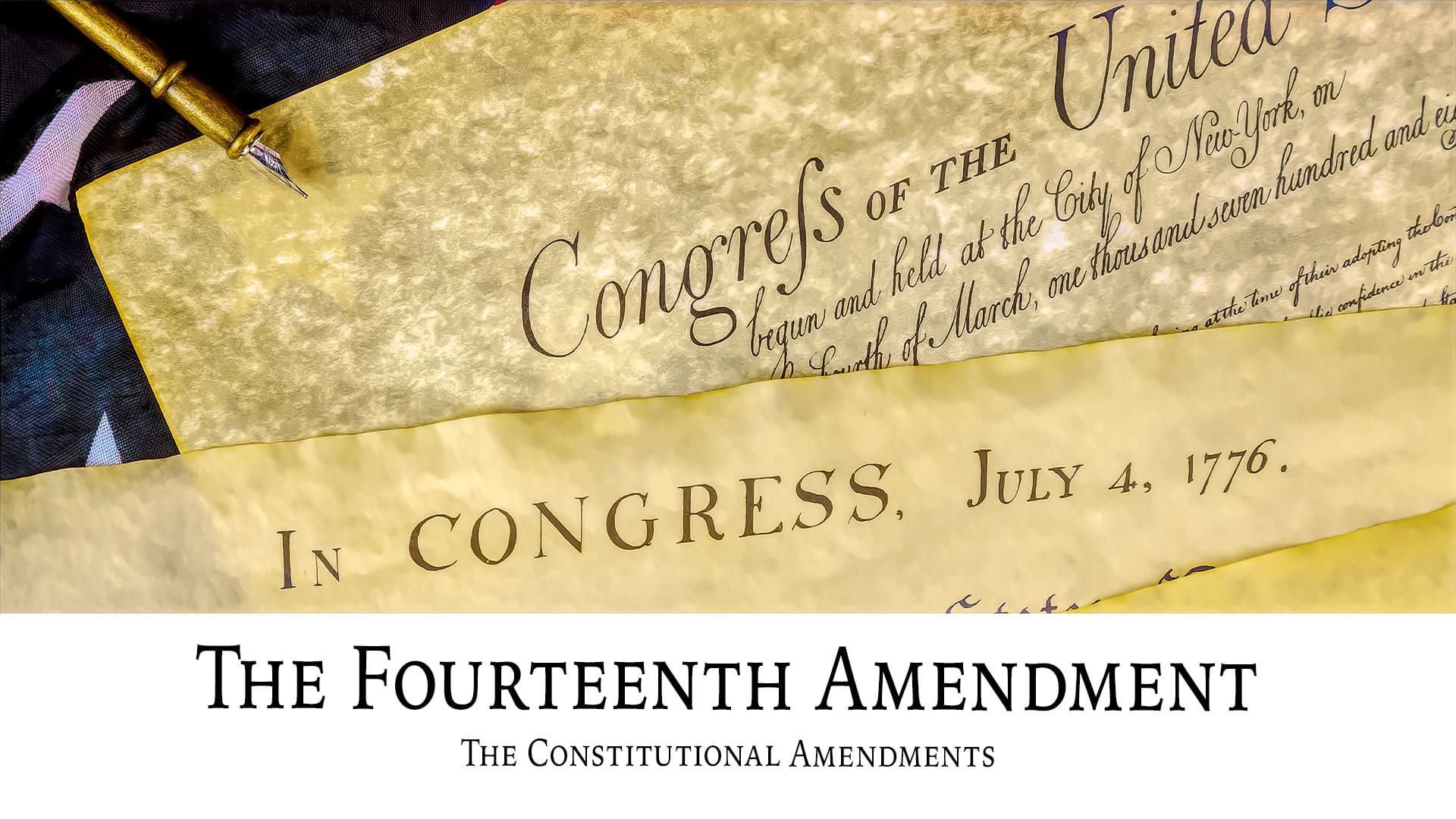
This metaphor remains strikingly relevant today, framing reparations not as charity but as the collection of a long-overdue debt. The 14th Amendment, ratified in 1868 during Reconstruction, was the constitutional mechanism intended to make good on that promissory note for formerly enslaved African Americans. Its citizenship clause overturned the Dred Scott ruling’s denial of Black personhood, declaring birthright citizenship and extending protections against state discrimination through due process and equal protection clauses. Enacted specifically to secure racial justice, dismantle Black Codes, and remedy slavery’s legacies, the amendment empowered Congress to pass “appropriate legislation” to enforce its guarantees—provisions that supported race-conscious remedies like the Freedmen’s Bureau.
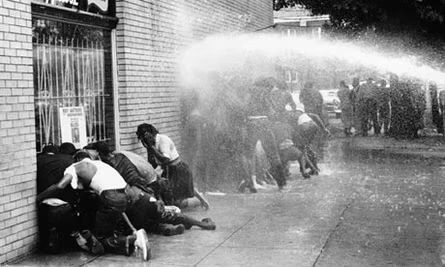
Tragically, the nation defaulted once more. After a brief period of Black advancement, federal withdrawal enabled Jim Crow, disenfranchisement, redlining, and systemic barriers that stripped generations of wealth and opportunity. The “insufficient funds” verdict persists in enduring racial wealth gaps, discriminatory policing, and unequal access to education and housing—outcomes that trace directly back to the unfulfilled promises the 14th Amendment was meant to secure.
Black Americans should therefore argue the 14th Amendment as robust constitutional grounds for reparations, transforming King’s call to “cash this check” into an ongoing assignment. The amendment’s enforcement clause provides Congress authority to legislate remedies for slavery’s “badges and incidents,” including compensation for collective harms like stolen labor, land theft, and intergenerational economic exclusion. This approach honors the amendment’s original intent—not as colorblind neutrality, but as targeted redress for racial subjugation. It counters critics who misuse equal protection to block equity programs by reminding them that the 14th was born from race-conscious necessity.
Recent local efforts, such as housing reparations in Evanston or apologies tied to slavery’s legacies in California, echo this logic, even amid legal challenges. By invoking the 14th alongside King’s metaphor, advocates can build coalitions, demand direct payments, community investments, and policy reforms to close those gaps, and push toward true equality.
This Black History Month, let’s honor our ancestors’ resilience—from Reconstruction’s hopes to the March on Washington’s demands—by insisting the check be cashed. The 14th Amendment offers the legal blueprint; King’s words supply the moral imperative. The assignment is unfinished: collect on that returned check, marked insufficient funds, until justice’s vaults prove abundant for all. (Word count: 498)
Journal