When the Constitution Is on Trial, Black America Must Be in the Courtroom
Why Black Communities, Civil Rights Organizations, and the Black Church Must Unite to Enforce the 14th Amendment
By: Omari Bakari
For nearly forty years, Black America has been told to move on from the crack cocaine era—to treat it as a painful chapter in our past rather than an open constitutional wound. But the truth is unavoidable: the damage was not accidental, and the harm was not lawful. What happened during the crack era was not simply over-policing or misguided policy; it was a coordinated failure of equal protection under the law. The federal government protected the supply of crack cocaine, criminalized its consequences in Black communities, and encoded racial punishment into federal law. The Constitution does not permit this. And silence, now, is no longer an option.
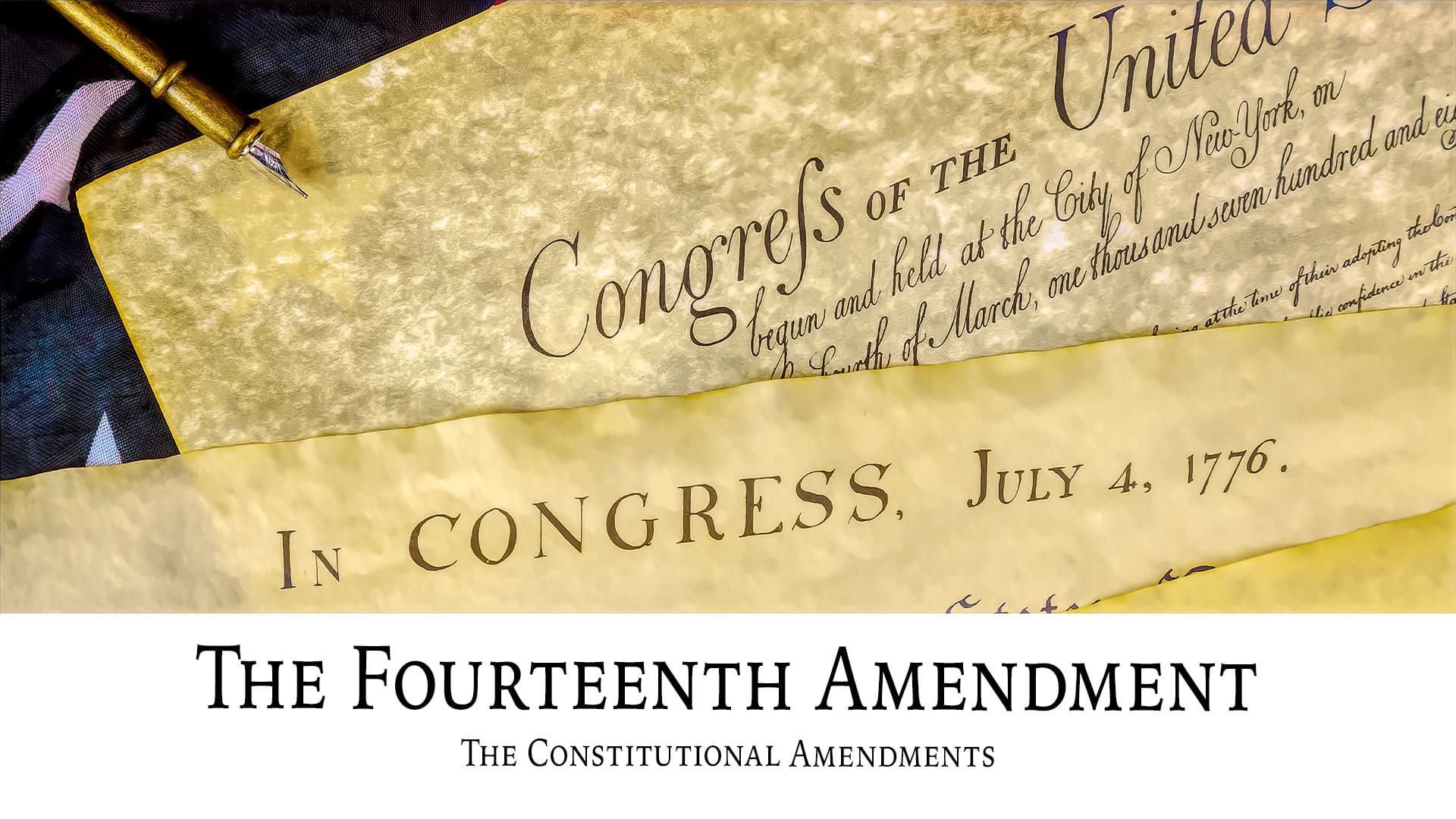
The 14th Amendment was written precisely for moments like this—when the government uses its power to devastate a specific people and then refuses to repair the harm. Black America does not stand outside the Constitution; we stand at its very center. The same amendment used to justify policing, prosecution, and incarceration carries within it an unfulfilled promise of equal protection, due process, and full citizenship. That promise was violated systematically during the crack cocaine epidemic, and the federal government’s own records—Senate investigations, Inspector General reports, and sentencing data—prove it beyond reasonable doubt.
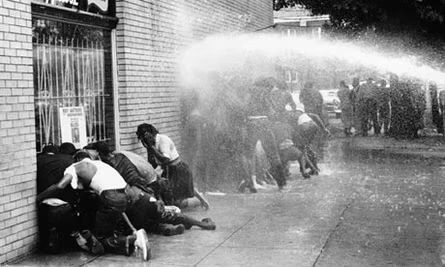
This is why the moment demands unity. Civil rights organizations bring legal expertise and institutional memory. Grassroots organizers bring moral clarity and people power. Black churches bring something no other institution can supply at scale: legitimacy, trust, and spiritual authority rooted in our communities. Every major advance in Black freedom—from abolition to Reconstruction to the modern Civil Rights Movement—required the alignment of legal argument, organized pressure, and the Black church as a mobilizing force. This constitutional fight is no different.
We must be clear about what we are demanding. This is not about charity or apology. It is about enforcement. Equal protection means that Black addiction deserved the same treatment response later extended to white opioid addiction. Equal protection means that Black communities were entitled to protection from government-facilitated harm, not selective punishment. Equal protection means that sentencing laws cannot impose racial classifications disguised as drug policy. Every excess day served under the crack sentencing regime was an unlawful deprivation of liberty. Every home lost to racially skewed civil forfeiture was an unconstitutional taking. Every vote stripped through felony disenfranchisement was a violation of our political citizenship.
The federal government does not get to invoke the Constitution only when it prosecutes Black people and ignore it when Black people seek remedy. Courts respond to pressure. Legislatures respond to coalitions. History responds to organized insistence that the law mean what it says. When Black churches preach this truth, when organizers mobilize around it, and when civil rights lawyers carry it into courtrooms and congressional chambers, the balance of power begins to shift.
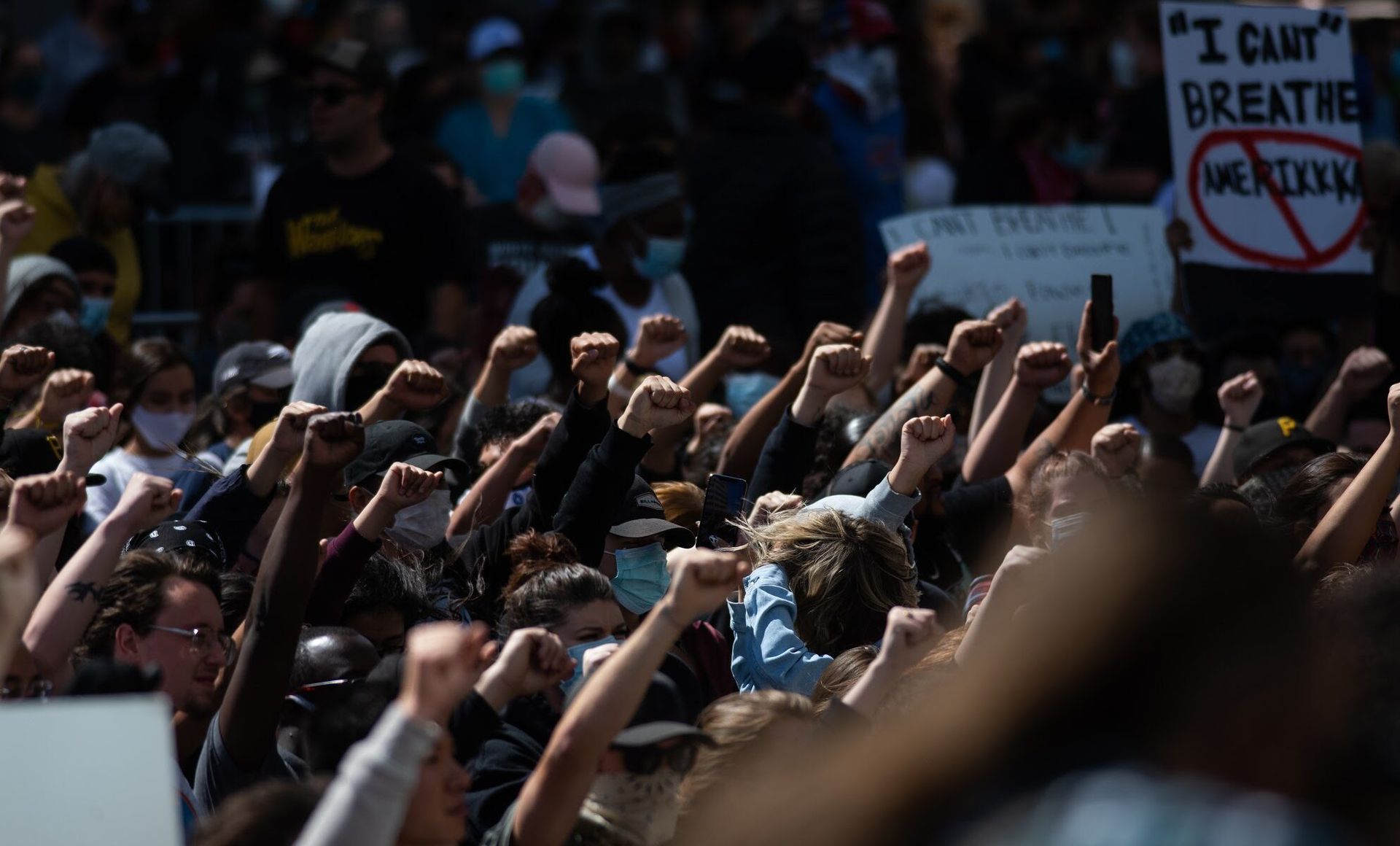
This is a call to come together—not across ideology, not across party lines, but across purpose. The argument is made. The record is clear. The Constitution is still the law. What remains is enforcement. Black America must stand together, speak together, and demand together that equal protection be more than words on parchment. Justice will not be gifted. It must be compelled—lawfully, collectively, and unapologetically.
Hashtags:
#14thAmendment #EqualProtection #BlackAmerica #CivilRights #BlackChurch #ConstitutionalJustice #CrackEra #JusticeNow
Key Words:
14th Amendment, equal protection, Black civil rights, crack cocaine epidemic, constitutional enforcement, Black churches, mass incarceration, racial justice
Journal